
Thanapon Deekaikam
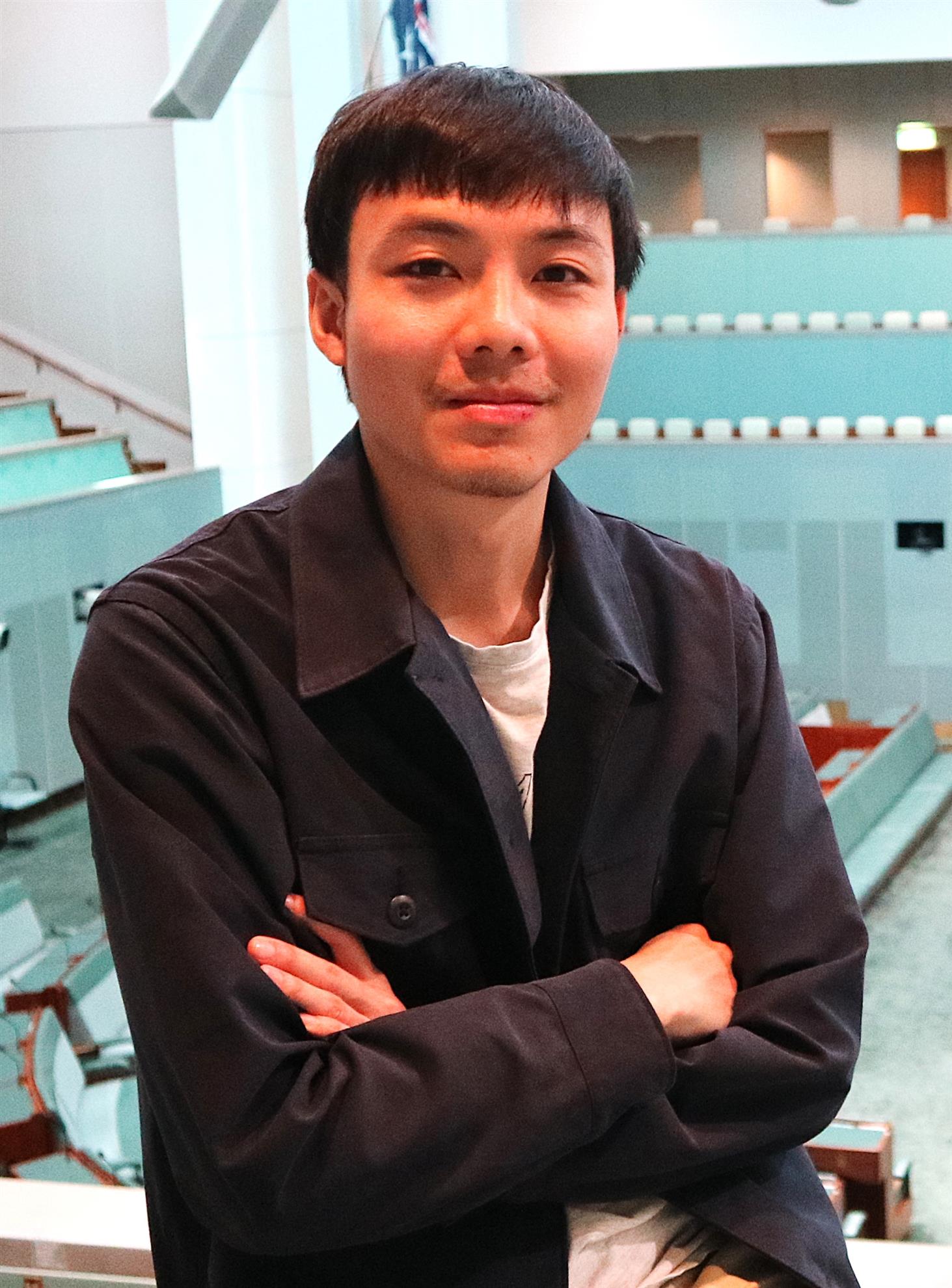
Researcher Profile
Thanapon completed his master’s degree in Polymer Science from the Petroleum and Petrochemical College (PPC) at Chulalongkorn University, Thailand, in 2021. He holds a bachelor’s degree in chemistry from Chiang Mai University, which he received in 2018. During his studies, Thanapon contributed to the invention and development of natural polymer structures capable of responding to external stimuli for targeted drug delivery. He co-authored a publication on this research in a leading scientific journal.
Additionally, Thanapon gained experience in researching bio-based plastics for practical applications in daily life while pursuing his master’s degree. He also worked as an Extrusion Machine Operator at SURTECO, Australia, where he printed surface decorative materials. This role provided valuable experience in applying his knowledge of polymers and materials science to practical use in the industrial and business sectors. Thanapon is committed to expanding scientific knowledge of polymers for medical applications.
He aims to research and develop new artificial skin that can significantly improve the quality of life for individuals with sensory impairments. Passionate about making a tangible difference in people’s lives, Thanapon is dedicated to advancing scientific potential and pushing the boundaries of biomedical research.
In 2024 Australian Rotary Health, the Rotary Club of West Wollongong and the University of Wollongong agreed to support Thanapon by via a three-way funding scholarship to assist him complete his PhD research covering a term of up to 3.5 years. A summary of his research project follows...
Project Summary
Touch lies at the heart of our connection with the external world. Feelings of touch are initiated by mechanosensory neurons that reside primarily within the integumentary system, such as the skin and its appendages. Mechanosensory impairment is often associated with aging poorly and a vast number of disease conditions, including diabetes, cancer, infection, and neurological disorders, furthering a significant impact on people’s health, quality of life, and social and emotional well-being. For example, excessive mechanosensation can disrupt musculoskeletal development and cause joint deformities. Mounting evidence has underscored the emerging role of mechanosensory neuron dysfunction in contributing to the core behaviour of autism spectrum disorder.
Knowledge of the human mechanosensory nervous system has been lacking to date. Studies on human mechanosensory neurons have predominantly relied on rodent models because of the limited availability of human tissue. Thanapon’s project aims to develop benchtop human tissue models using innovative stem cells and 3D Bioprinting technologies. Built on the groundwork by Mitchell St Clair-Glover (Australian Rotary Health/Rotary Club of West Wollongong PhD scholarship recipient awarded 2020) on 3D Bioprinting human stem cell-derived sensory neurons, this project will involve developing a 3D bioprinted co-culture platform for the generation of innervated tissue-like models including skin and muscle and assessing how sensory nerves function and respond to mechanical stimulation within a tissue-like environment. The knowledge gained through this project can be translated to human in vivo studies and provide a foundation for future research to interrogate the role of human mechanosensory neurons in healthy and diseased states.